

A Microwave in Built Adds a Sleek Look to Your Kitchen
Built-in microwaves provide your kitchen with a sleek, modern look. Installed in a recessed cavity or cabinet, they make use of an integrated trim kit that blends into the cabinets.
Before you decide on a microwave, think about the dimensions of your cabinet. Built-in microwaves come in sizes of 24, 27, and 30 inches to accommodate standard cabinet dimensions. Preset functions, such as defrosting and reheating come standard, but you can also locate models with options for popcorn or potatoes.
Aesthetics
A microwave oven isn't different from other kitchen appliances. It has distinct functional and aesthetic specifications. It must have enough air in its vicinity to function effectively, which is why it is usually placed on the kitchen countertop, taking up valuable counter space. However there are plenty of other practical and attractive places for a microwave to be built that can offer the same level of convenience, while cutting down on clutter on the counter.
One option is to integrate the microwave into a cabinet by using the microwave trim kit which frames the appliance and offers an elegant, custom alternative for modern kitchen designs. The kits come in a variety of designs and finishes that create the appearance of an elegant integrated microwave, while also enhancing aesthetics and enhancing kitchen design. It is important to check the compatibility and take measurements accurately to ensure that the microwave trim kit is perfectly.
Another option for aesthetically integrating your microwave in your kitchen is to mount it on the wall. This can be a beautiful and practical location for your microwave, while also freeing up valuable countertop space. It is important to remember, however, that mounting a microwave on the wall requires careful planning and consideration, since it could cause structural stress or, in rare instances it could result in a hazardous situation.
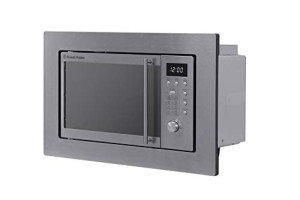
Many homeowners choose to put their microwaves in drawers. This is the best option for flexibility as you can pick from a drawer style or a traditional counter model. You can also opt for a lower wall mounting that allows your microwave to be easily within reach of the majority of users, but without sacrificing storage options.
It's important to take into account all of the above aspects when deciding on a location for a microwave. Choose an option that suits the layout and style of your kitchen. If you can plan and execute the placement of your microwave correctly, your kitchen will have a clean and uncluttered look and will be highly functional.
Space Saving
Built-in microwaves are built into the walls and cabinets of your kitchen, unlike freestanding models. This keeps them out of the way and makes it easier for you to use. It creates a seamless kitchen appearance, and enhances its aesthetics.
The position of your microwave, just like any other appliance, is important. If placed too high up it may be difficult for family members to reach. It should be positioned away from cooking surfaces to prevent accidental spills or burns. Finally, it's best to avoid places that require you to reach across hot surfaces, as this can be hazardous for children as well as elderly family members.
One of the most common ways to integrate a microwave in your kitchen is to set it in an area that is wall-mounted. It can be framed with decorative molding to make the area more attractive and functional, while ensuring it is easily accessible. Another option is to place the microwave inside the lower cabinets, however this could require you to bend down or squat down to reach it, which may not be the most ergonomic option.
It is also possible to install a hidden microwave, which is perfect for those with small counter space. These models are designed so that they can be inserted into a cabinet and look seamless. These models are available in a variety of styles and finishes to complement the design of your kitchen, from traditional to contemporary.
It is essential to follow the instructions provided by the manufacturer on how to set up the device. This will not only ensure proper air circulation but will also prevent overheating and ensure safe operation of your microwavable. Most models require at least 15 inches of clearance around the bottom, sides and back to allow air circulation.
Convenience
Microwave ovens are available in a wide range of sizes and models nowadays. When choosing one, most people are focused on features and functionality, like how large it is, or whether the model has pre-programmed cook settings. But they must also consider the space they have and decide between a freestanding and a built-in microwave.
Unlike countertop microwaves, which are placed on the kitchen bench or in other places, built-in microwaves are built into the wall of the kitchen or cabinets. They are sleeker than counter-top models and enhance the aesthetics of your kitchen. They are available in a variety of styles, including flush installation to create an aesthetically pleasing appearance. They can also be easily adapted to match your cabinets and appliances.
Built-in microwaves, in addition to their integrated and attractive appearance, are typically more efficient than their countertop counterparts. This means lower energy bills for you and your household.
These models also offer an easier access to the controls, because they are at eye-level. This means that you don't have to bend or walk on tiptoe in order to reach the controls, which is particularly useful for people with back issues. Additionally, they're easier to clean than their countertop counterparts as they don't need shifting or moving.
A microwave in built can be a fantastic option for busy families because it provides quick and simple heating of food items like frozen meals, pasta, sauces, soups, stews, and more. The rapid and efficient process of reheating can also help preserve the nutrients contained in the food, which is essential to a healthy lifestyle.
The advantages of having an integrated microwave for people who are renovating or installing a new kitchen cannot be overstated. They can give your kitchen a more modern look, and remove the necessity of a countertop appliance. Continuing can also increase the value of your home. They are a sought-after addition to modern and contemporary homes, and is a must-have appliance for smaller kitchens.
Safety
There are many different options for microwaves, including freestanding models that can double as a conventional oven and grill, and built-in versions that fit in an existing niche or cabinet. When choosing the right microwave for your kitchen, you should consider factors such as capacity, pre-programmed cook settings, and other convenience features.
In terms of safety, you should adhere to the instructions provided by the manufacturer for the microwave you have chosen. Make sure that you have enough space around your microwave to allow air circulation and to keep it from overheating. Also, ensure that you only use microwave safe containers and do not place any metal objects inside the microwave. These objects will conduct electromagnetic radiation and trigger electric shocks that could be dangerous.
The microwave radiation does heat tissue but it doesn't cause any cancer. The radiation emitted by microwaves which is also known as non-ionizing radiation, differs from the ionizing radiation, like x-rays and high-energy particles that can damage the human body. The long-term studies of rodents have also failed to prove that low levels microwave radiation can cause cancer.
However, microwave radiation could cause burns if you're close to the food as it is heating. If the container is too large it can trigger steam explosions. This is especially the case when you're microwaving something hot. This could be risky because the liquid could explode from the container. To avoid this, only microwave food and liquids in containers that are microwave safe or made of materials such as glass, ceramic or polypropylene.
To ensure an uniform heat distribution, stir or rotate the food at least once during cooking. This reduces the risk of hot and cold spots, which can cause food poisoning. Be aware when heating baby formula or other foods for infants in the microwave. They absorb microwave radiation in a different way than adults, which could result in overheating. It is also recommended to keep an empty bowl of water close by to pour it over hot foods and drinks to avoid scalding.